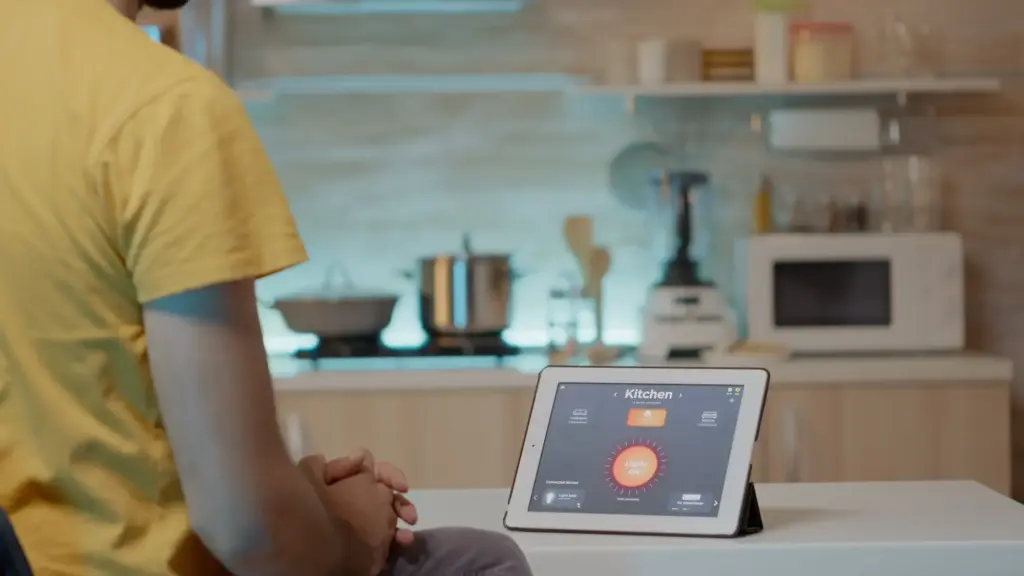
Code-Free Automation for Health, Habits, and Medications

Discover how to build Automated Health, Habit, and Medication Tracking without Coding by connecting the tools you already use into a supportive, living system. We will combine wearables, lightweight databases, and gentle reminders, turning raw signals into daily momentum. Expect practical workflows, thoughtful safeguards, and stories from real people who traded chaotic spreadsheets for calmer routines. Whether you prefer Notion, Airtable, Apple Health, or Google Fit, you will learn accessible steps that protect privacy, save time, and help you feel consistently better.

Build Your No-Code Health Stack

Clarify Outcomes and Signals

Define the few measurements that truly matter this season, such as morning energy, medication adherence, resting heart rate, or symptom frequency. Translate each into an observable signal, a capture method, and a review cadence, so every datapoint you store earns its place and purpose.

Pick Tools That Fit Your Life

Define the few measurements that truly matter this season, such as morning energy, medication adherence, resting heart rate, or symptom frequency. Translate each into an observable signal, a capture method, and a review cadence, so every datapoint you store earns its place and purpose.

Plan The Data Journey

Define the few measurements that truly matter this season, such as morning energy, medication adherence, resting heart rate, or symptom frequency. Translate each into an observable signal, a capture method, and a review cadence, so every datapoint you store earns its place and purpose.

Link Wearables and Daily Signals

Connect watches, rings, and smart scales to aggregate steps, heart rate, sleep, and weight automatically. Use Apple Health, Google Fit, or vendor apps as bridges, then pipe summaries into your workspace. When devices are unavailable, design a single-tap form that keeps momentum without sacrificing consistency.
Pull daily readings in the background, but keep a lightweight activity note for context, such as workouts, commutes, or illnesses. Context explains spikes and dips better than numbers alone, preserving meaning when you review a week and decide tomorrow’s reasonable commitments.
Let devices collect duration, stages, and wake-ups, then add a two-line morning reflection to capture perceived restfulness and mood. Pair objective signals with subjective notes to decide earlier bedtimes, caffeine limits, or wind-down rituals that actually respect your circadian tendencies.

Design Habit Loops That Run Themselves

Translate intentions into small, repeatable actions triggered by natural cues. Use calendar anchors, location awareness, and morning checklists to create rhythm. Automations track completions, celebrate streaks, and reset compassionately after lapses, because consistency grows faster when guilt stays out of the room.

Morning Systems That Prime The Day

Bundle hydration, sunlight, and first movement into a simple routine card that appears after wake detection. A single tap logs completion, prompts today’s medication plan, and opens your planning note, so momentum begins before distractions multiply and willpower becomes unnecessarily scarce.

Gentle Streaks, Not Punishment

Track streaks for awareness, but design flexible success criteria and forgiving resets. A missed day becomes information, not identity. Automations suggest the smallest possible next action, preserving confidence, while weekly reflections highlight patterns that invite wiser adjustments instead of all-or-nothing drama.

Never Miss a Dose: Safer Medication Routines

Create reminders that respect dosing windows, interactions, and your real schedule. Confirm with two taps, optional photos, or voice. If a dose is skipped, log a reason and trigger supportive follow-ups, including refill checks and, when appropriate, a discreet message to a trusted accountability partner.

Smart Schedules and Safe Windows

Encode earliest and latest times, meal relationships, and conflicts with workouts or sleep. Your system should adapt after travel or daylight changes automatically. If reminders fall outside safe windows, delay gently and document context, keeping a clear audit trail for future conversations with clinicians.

Confirmation That Actually Confirms

Reduce false positives by requiring a brief hold, a second tap, or a quick photo beside the bottle. For complex regimens, capture dose strength and lot number. Store confirmations with timestamps and location, making reconciliations effortless during appointments or pharmacy inquiries.

Make Sense of Data with Clear Dashboards

Turn scattered entries into living stories. Build a weekly brief that highlights sleep debt, medication adherence, movement trends, and mood shifts. Automations assemble charts and small narratives, so you can choose one next experiment, archive failed attempts kindly, and celebrate meaningful wins.

Security Basics, Humanized

Use strong passwords, passkeys, and device encryption, but also document the human process: who can access what, where recover codes live, and how to share temporarily during illness or travel. Clarity prevents lockouts and reduces stress when life gets complicated unexpectedly.

Reliability Checkups

Schedule monthly audits that intentionally break a connection, verify alerts, and confirm data still lands correctly. Keep a changelog for new devices or app updates. Treat automations like helpful assistants who deserve onboarding, feedback, and occasional restarts to continue serving reliably.

Your First Hour, Step by Step

Create a Health database in Notion or Airtable, connect Apple Health or Google Fit, and add a single reminder for hydration. Test the workflow end-to-end, review the record, and share one insight in the comments below so others can learn from your experiment.